Sleep Apnoea and Snoring Treatment in Dubai

Don’t let sleep apnea and snoring disrupt your rest. At Smile Story in Dubai, we offer advanced treatments to help you sleep soundly. Our experienced team employs cutting-edge techniques and devices to diagnose and manage sleep disorders effectively. Rediscover the rejuvenating power of a good night’s sleep with Smile Story, where your well-being is our priority.

What is the most successful treatment for sleep apnea?

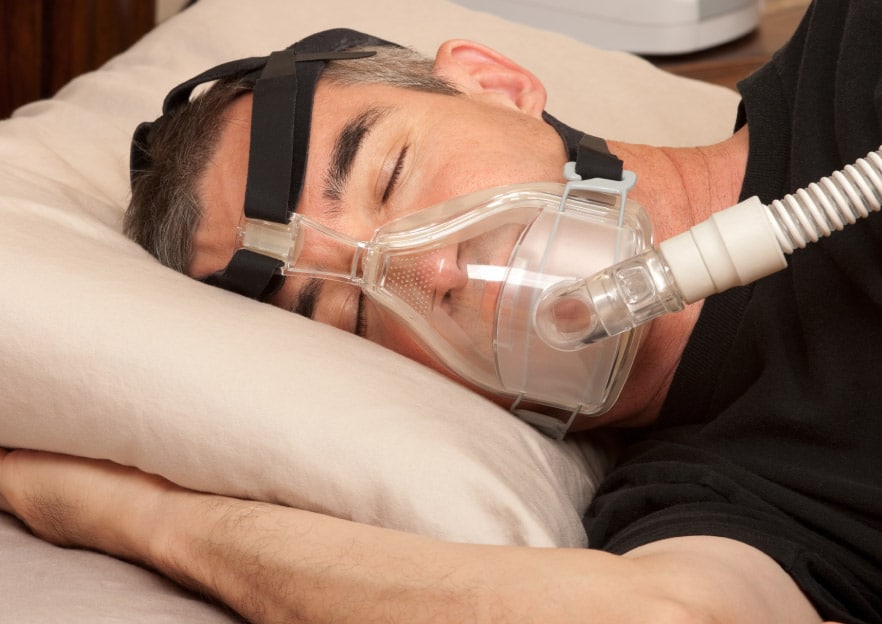
The most successful treatment for sleep apnea often depends on the severity of the condition. For mild cases, lifestyle changes like weight loss, positional therapy, and avoiding alcohol and sedatives may help. Continuous Positive Airway Pressure (CPAP) therapy is highly effective for moderate to severe sleep apnea. For some patients, oral appliances or surgical interventions, such as uvulopalatopharyngoplasty (UPPP) or maxillomandibular advancement (MMA), may be recommended. Consultation with a healthcare professional is crucial to determine the most suitable treatment plan based on individual needs.
Sleep Apnoea and Snoring Treatment in Dubai

Sleep apnoea and snoring FAQs

Most Frequent Questions and Answers
Veneers are thin, custom-made shells placed on the front surface of teeth to enhance their appearance by covering imperfections such as stains, chips, or misalignment.
While they are effective for many orthodontic concerns, Invisalign and aligners may not be suitable for severe cases. A consultation with a dental professional, like those at Smile Story, will determine if they are the right choice for your specific needs.
Treatments may include lifestyle changes, Continuous Positive Airway Pressure (CPAP) therapy, oral appliances, and surgery, depending on individual needs.
Can snoring indicate sleep apnea?
While complications are rare, they can include infection, bleeding, or nerve damage. Experienced dental professionals, like those at Smile Story, are prepared to address any issues promptly.

Yes, lifestyle changes such as weight loss, avoiding alcohol and sedatives, and changing sleeping positions can be effective for managing mild sleep apnea and reducing snoring. However, personalized guidance from a healthcare professional is necessary.